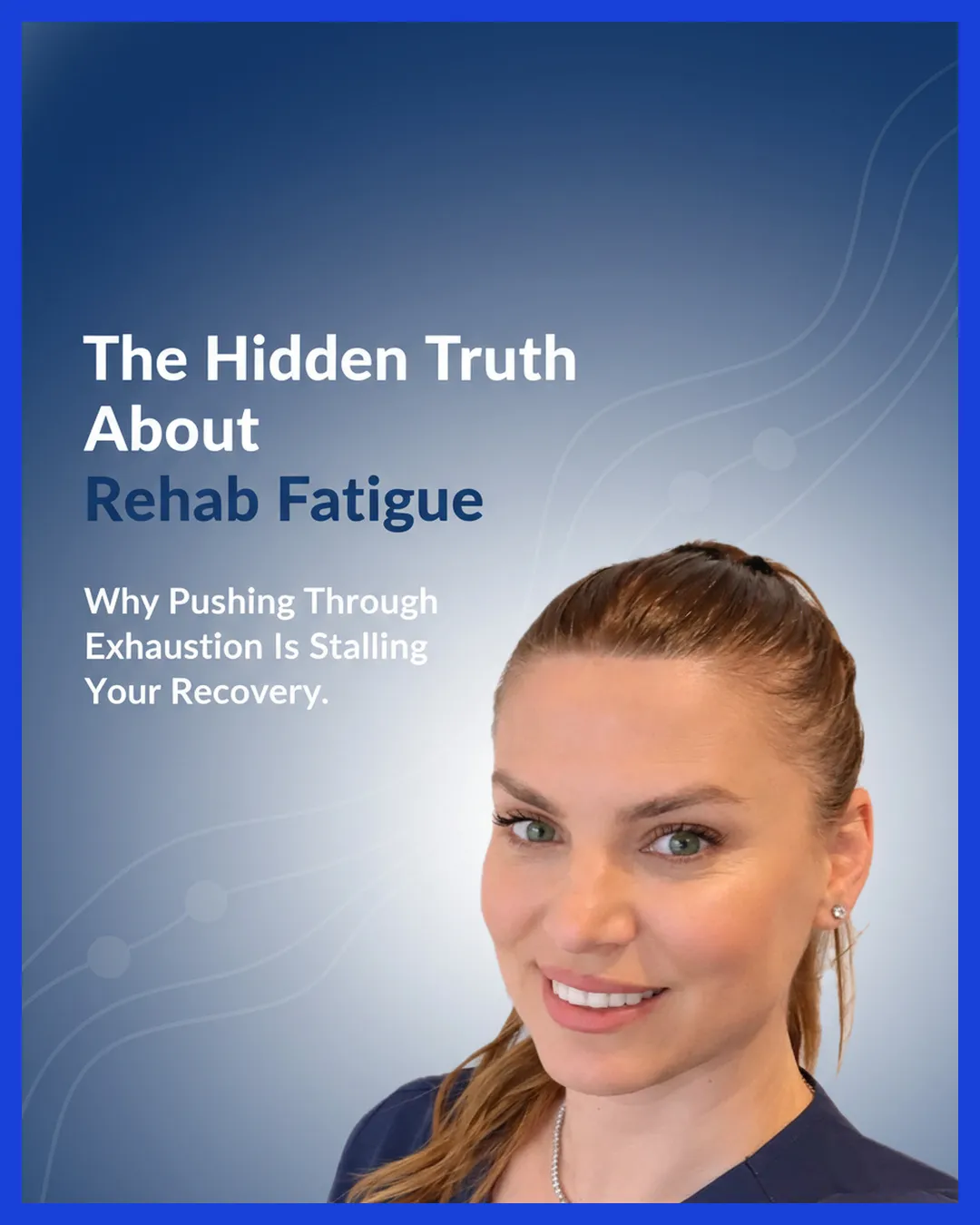
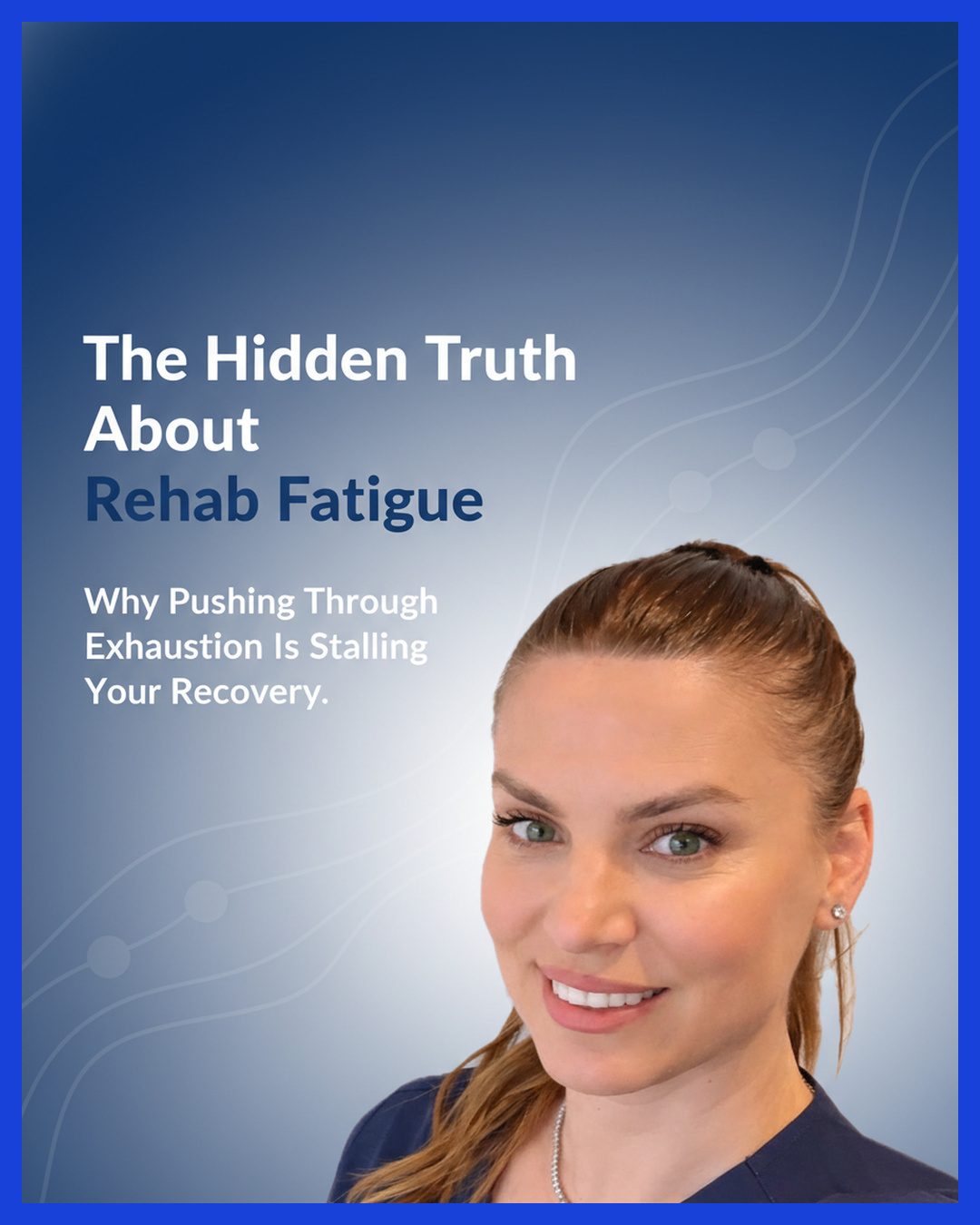
Stroke Rehab Fatigue: When to Ease the Effort
When Stroke Rehab Leaves You Exhausted: Why More Effort Is Not Always Better
If every home exercise session leaves you completely drained, pushing harder may be getting in the way of useful movement practice.
During my 15 years in the NHS treating severe brain and spinal injuries, I saw the same misconception repeatedly: more effort must mean faster results. In neuro-rehabilitation, the opposite is often true.
TL;DR
Extreme fatigue is a reason to review how therapy is paced, not a target to push through.
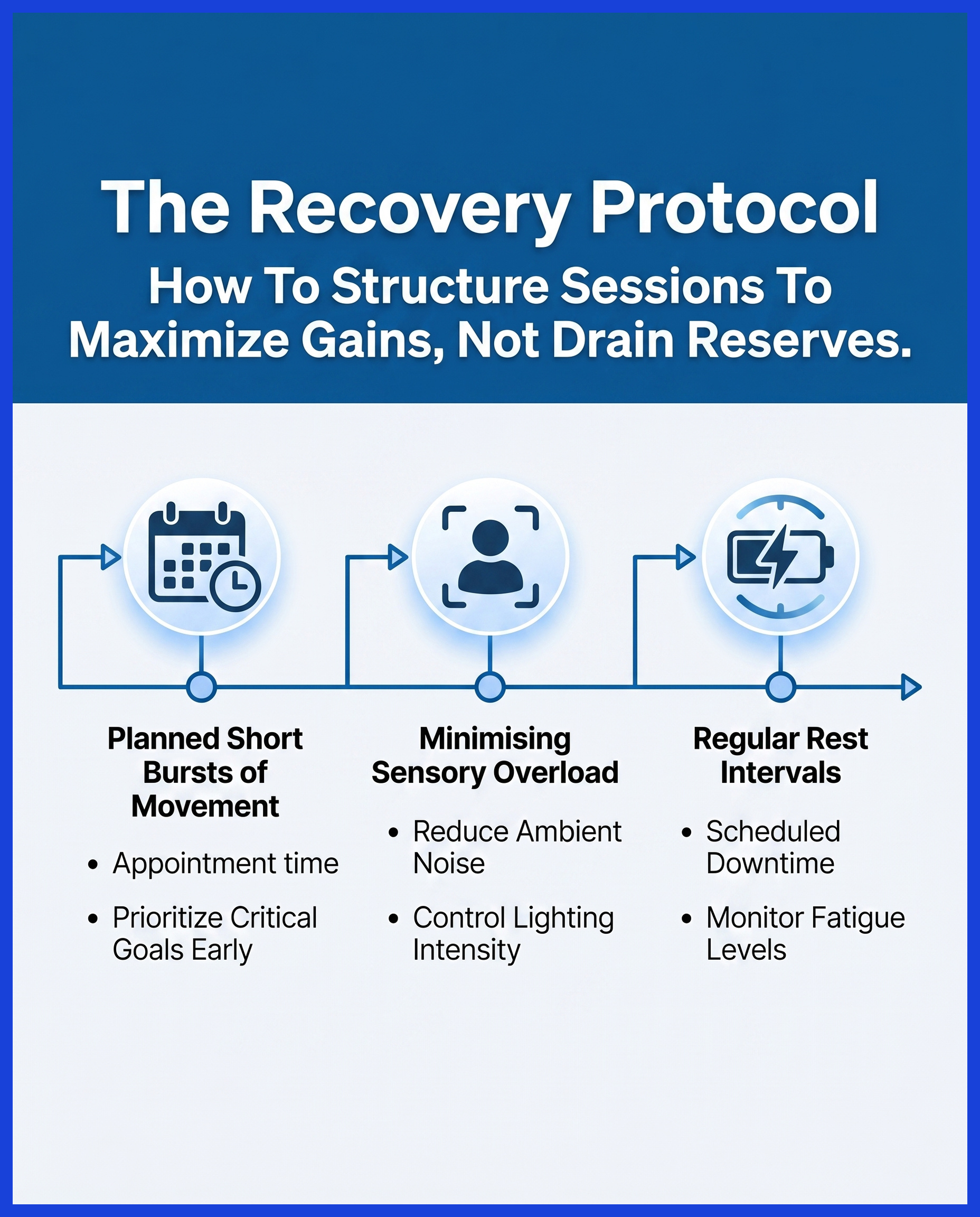
My approach uses short, high-quality bursts of movement rather than long, depleting appointments.
Reducing sensory overload is part of protecting the energy available for therapy.
People managing stroke, Parkinson’s or MS need a plan that accounts for their fatigue.
What Is This? (Short Answer)
Fatigue-aware neuro-physiotherapy means pacing movement therapy around the energy a person has available, while keeping the practice precise and purposeful.
For someone recovering from a stroke, that can mean choosing a shorter period of well-supported movement practice instead of continuing until they are exhausted. The aim is quality of movement and a plan that can be sustained.
Why Can Pushing Harder Work Against Recovery?
More effort does not automatically produce better neuro-rehabilitation.
When you exhaust your neurological reserves, you may be overloading a system that is already struggling to communicate. That is why I focus on precision, not volume.
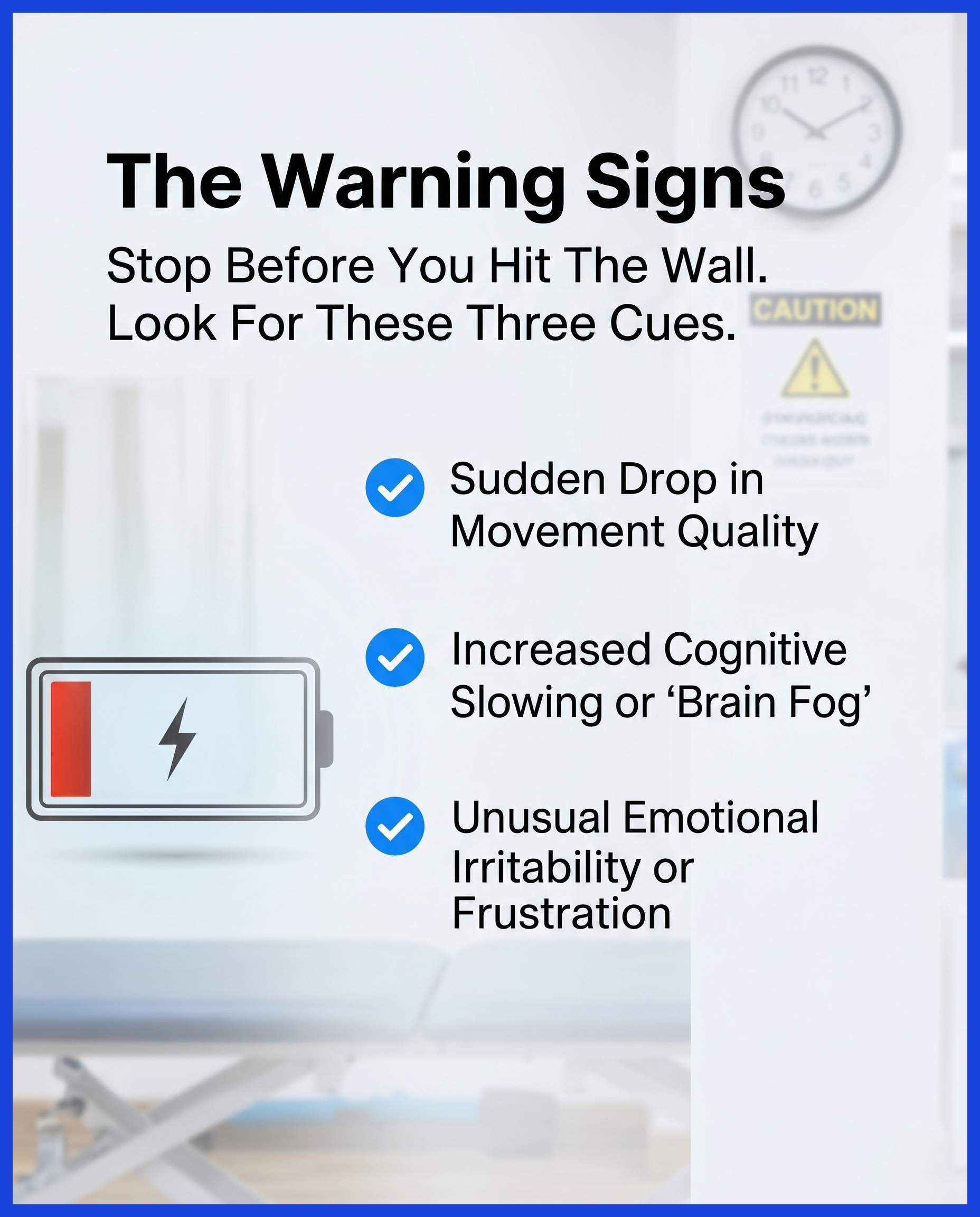
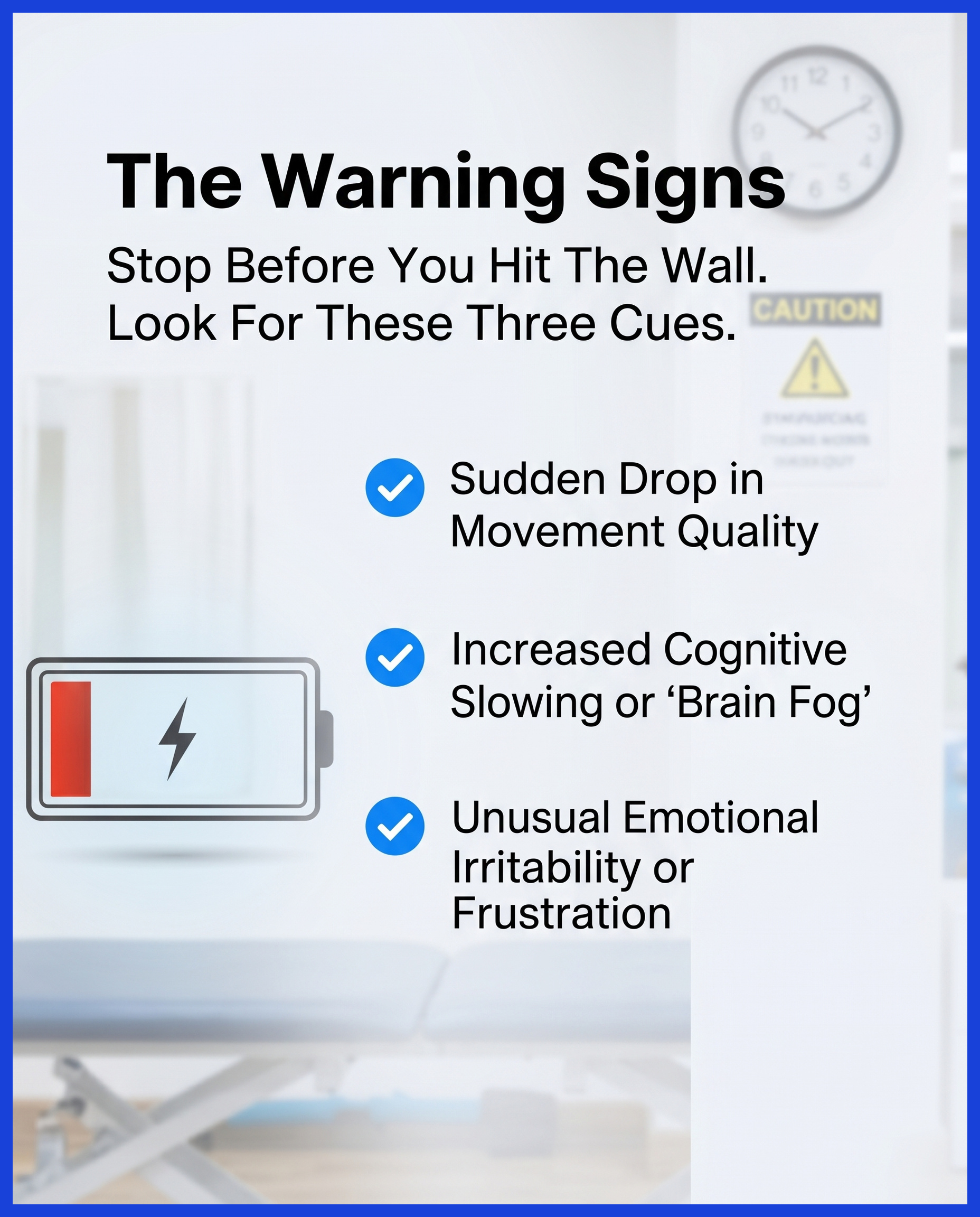
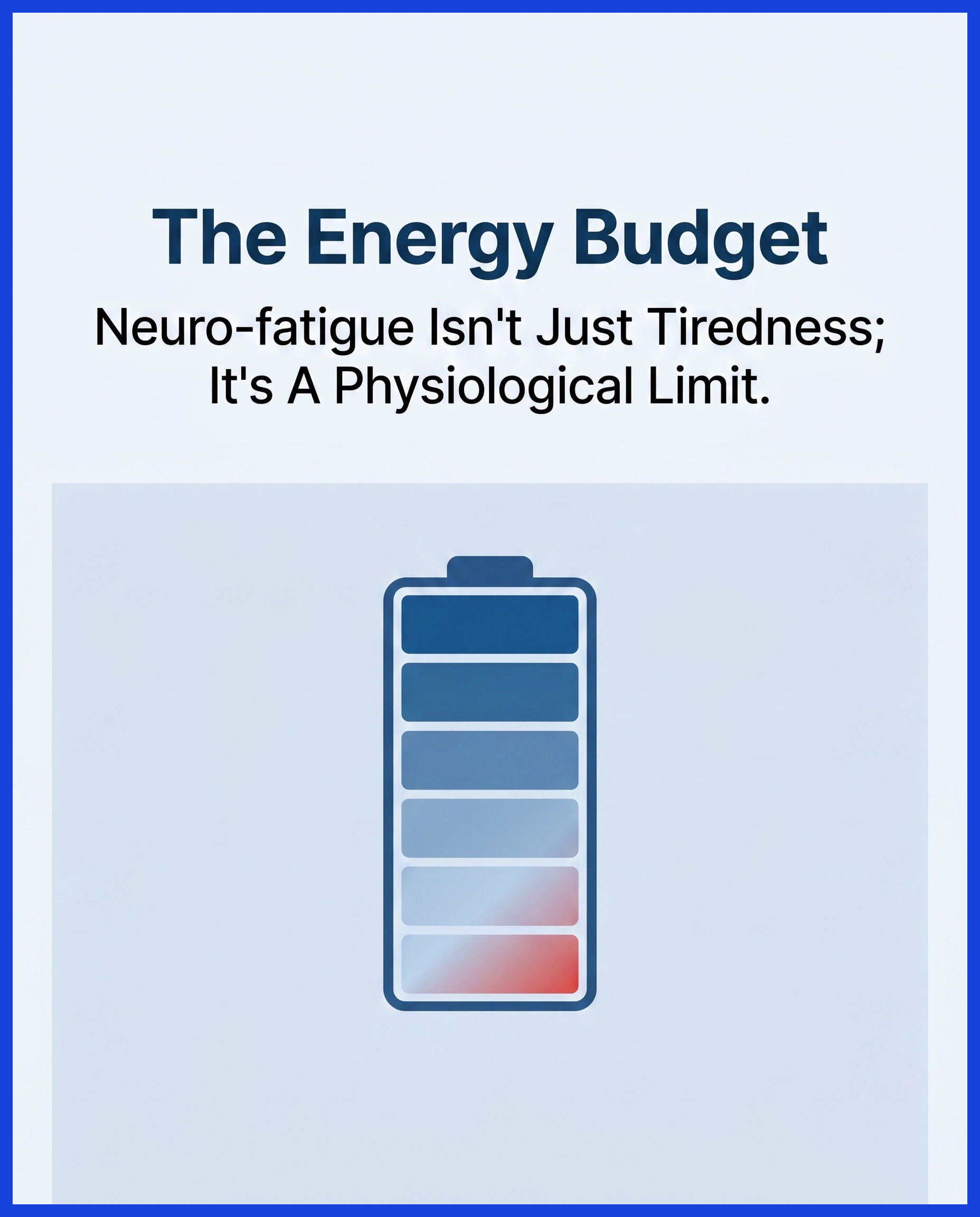
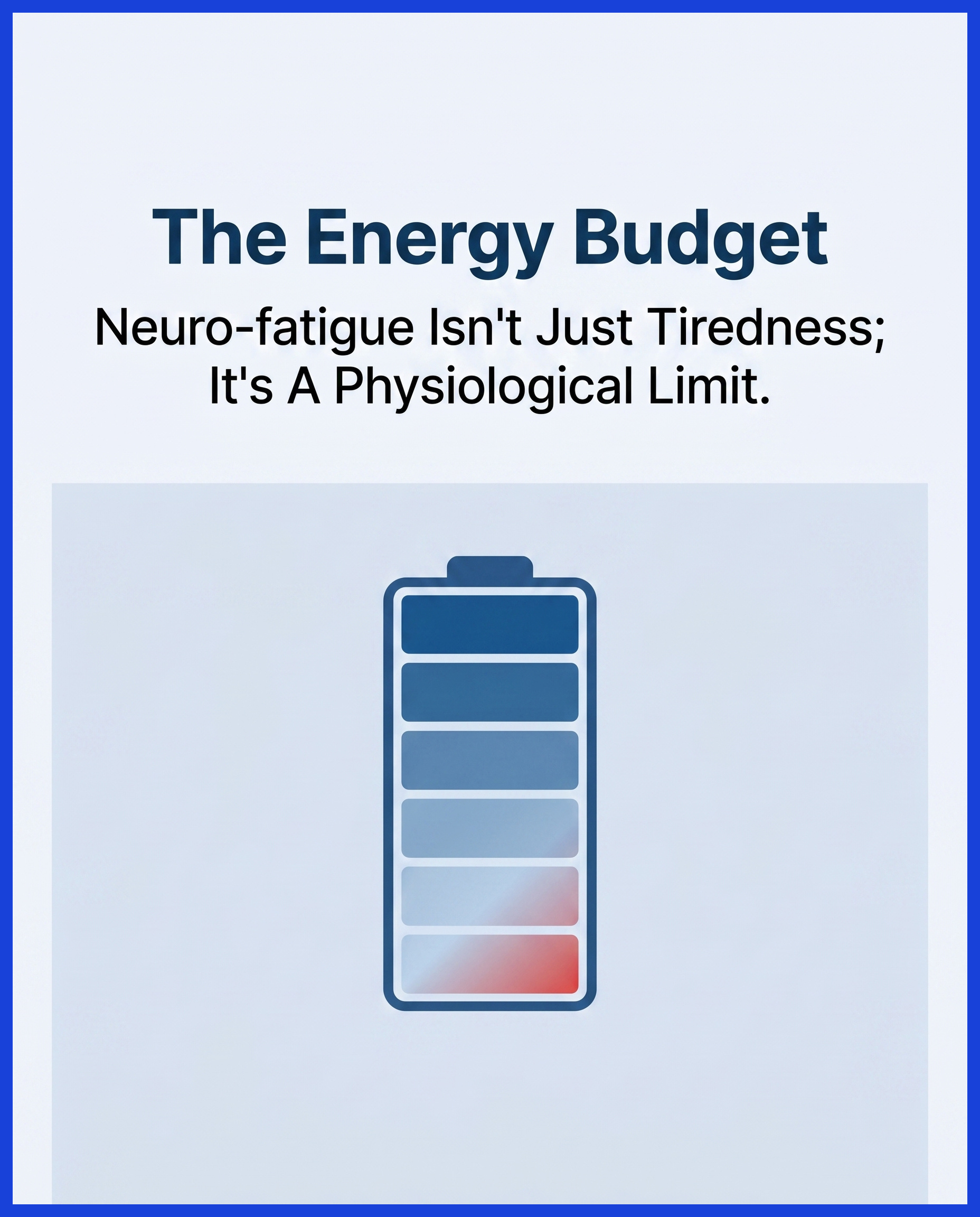
Fatigue also affects what you can bring to the next activity or therapy session. Your energy is a finite resource, and the way you use it matters.
How Does This Work?
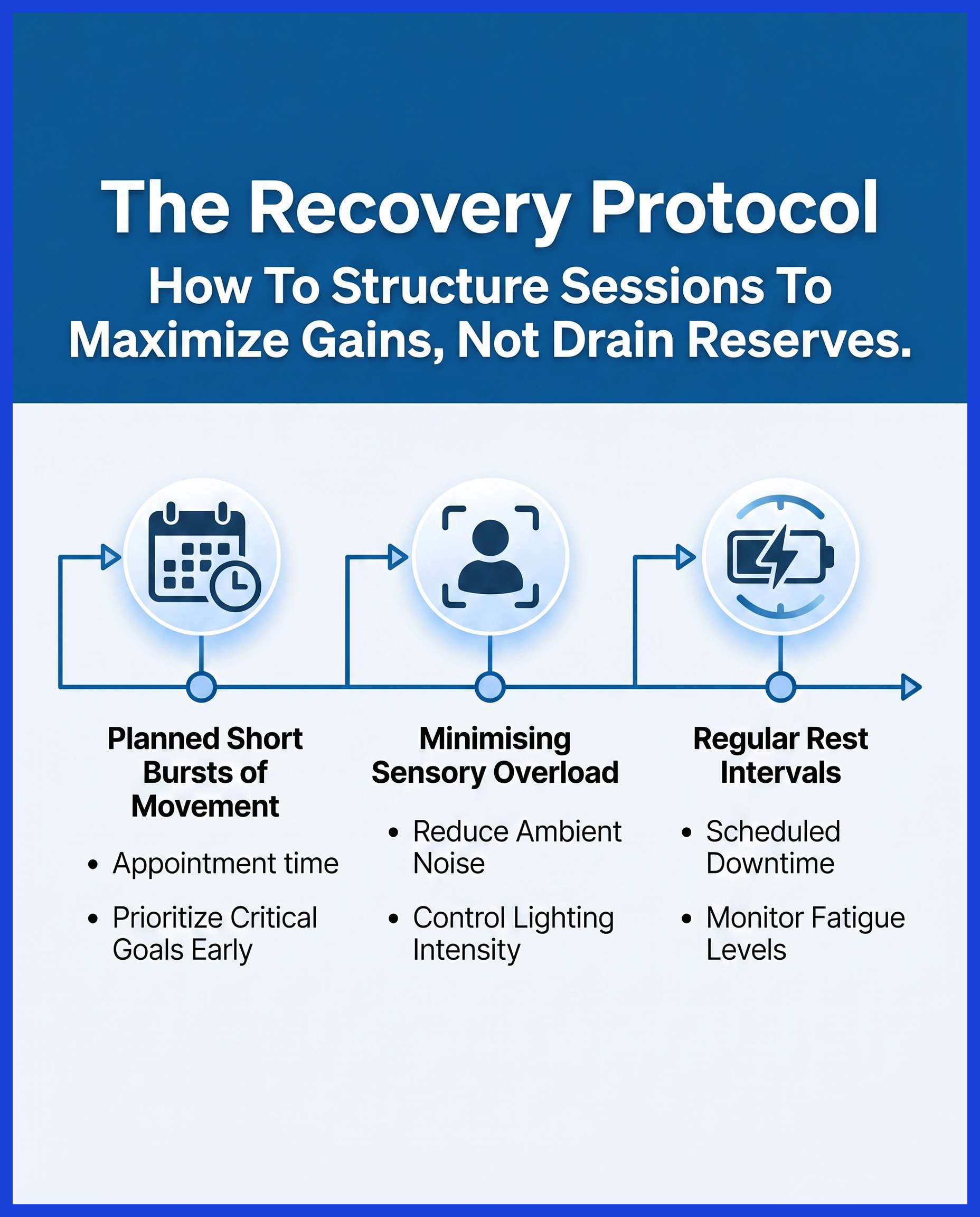
Therapy is paced carefully, with short, high-quality bursts of movement and attention to sensory overload.
Picture someone doing stroke recovery exercises at home. Instead of making the appointment longer simply to fit in more repetitions, we would prioritise a manageable period of focused movement and consider how fatigue affects the quality of that practice.
That example describes the approach, not a fixed exercise prescription. The right movements and amount of practice need clinical oversight based on the person in front of us.
Who Is This For?
This approach is relevant to people managing the effects of a stroke, Parkinson’s or MS when fatigue limits their rehabilitation.
It also speaks to families who see a loved one trying hard but becoming depleted. Effort matters, yet the useful question is whether the work can be done well and repeated as part of a longer-term plan.
My perspective comes from 15 years in the NHS treating severe brain and spinal injuries. Through Physio Rehabilitation, I bring that clinical approach to care in the home.
What Does It Cost?
The video does not give a price for home neuro-physiotherapy.
If you are considering an appointment, ask about fees when you schedule a call. You can also explain the condition you are managing and how fatigue is affecting your current exercises.
What Are the Risks?
The risk discussed here is treating extreme exhaustion as proof that rehabilitation is working.
Long, depleting sessions and sensory overload can use up energy that is already limited. If your current plan regularly leaves you exhausted, raise that with the clinician overseeing your rehabilitation rather than assuming you must push through.
Key Takeaways
Judge the quality of practice, not just the amount. More repetitions are not automatically more useful.
Take fatigue seriously. It should shape how a neuro-rehabilitation session is planned.
Keep the environment in mind. Minimising sensory overload can help make a session more manageable.
Get clinical oversight for home exercises. Effective stroke recovery home exercises require a plan suited to the individual.
Implementation Checklist
Notice whether movement quality changes as fatigue builds during a session.
Tell your physiotherapist if exercises or appointments leave you extremely depleted.
Discuss whether shorter periods of focused movement would suit your plan.
Identify sources of sensory overload during home sessions and discuss how to minimise them.
Agree on a pace you can manage with the clinician overseeing your rehabilitation.
Common Mistakes to Avoid
Assuming that a longer session is always a better session.
Using exhaustion as the measure of a successful workout.
Ignoring fatigue when planning stroke recovery exercises at home.
Following a generic exercise schedule without considering your own energy and movement quality.
What Should You Do Next?
If fatigue is dominating your rehabilitation, it is worth discussing the pace and quality of your therapy. I am Yllka Fillery, an HCPC-registered neuro-physiotherapist, and I bring this clinical approach directly to the home through Physio Rehabilitation.
Schedule a call with the link in the comments / bio.