When Neuro Rehab Progress Seems to Stop
When Neurorehabilitation Progress Seems to Have Stopped: What Should You Measure?
Walking is still difficult, so someone calls it a plateau. But that label can hide smaller changes that matter at home.
After a stroke, brain injury or spinal injury, the better question is: what can the person do today, what is getting in the way, and what should be reviewed next?
TL;DR
A prediction about recovery should never replace an assessment of current ability.
Progress may appear in daily tasks before it appears in walking.
Walking speed and balance measures can help track change over time.
If progress seems to have stopped, ask what has been measured and what the next practical goal is.
Your browser does not support the video tag.
What Is This? (Short Answer)
Neurorehabilitation is therapy tailored to a person’s movement and daily needs after a neurological injury or condition. In this context, the focus is on reviewing barriers, adjusting the physiotherapy plan and measuring what changes over time.
For someone at home, a useful goal might be getting out of a chair, transferring safely or reaching the kitchen with less help. Those tasks deserve attention even when walking remains difficult.
How does this work?
A specialist assesses what the person can do, tracks relevant measures and connects the findings to everyday goals. If a task remains difficult, the next step is to review the barriers and the therapy plan.
The 10-Meter Walk Test can track walking speed. The Berg Balance Scale can track balance. These measures provide information to discuss alongside the tasks that matter to the person and their family.
A slower week is information to examine, not a final verdict. Ask what changed, whether the current goal still fits and what should be measured at the next review.
What can progress look like when walking is still difficult?
Progress can mean doing a daily task with less help or greater safety. Walking is one measure, but it is not the only part of life affected by mobility.
Consider a person who still struggles to manage a hallway. If they can now get out of a chair more easily or transfer more safely, those changes are worth recording and discussing, even if walking remains the longer-term goal.
The Physio Rehabilitation website also describes a man who was told he would never walk again. After two years of personalised physiotherapy at home, he was walking. That is his story, not a promise of the same outcome for anyone else.
Who is this for?
This approach is for people whose mobility and daily tasks are affected after a stroke, brain injury or spinal injury. It is also for families trying to understand what a prediction or apparent plateau means for the person in front of them.
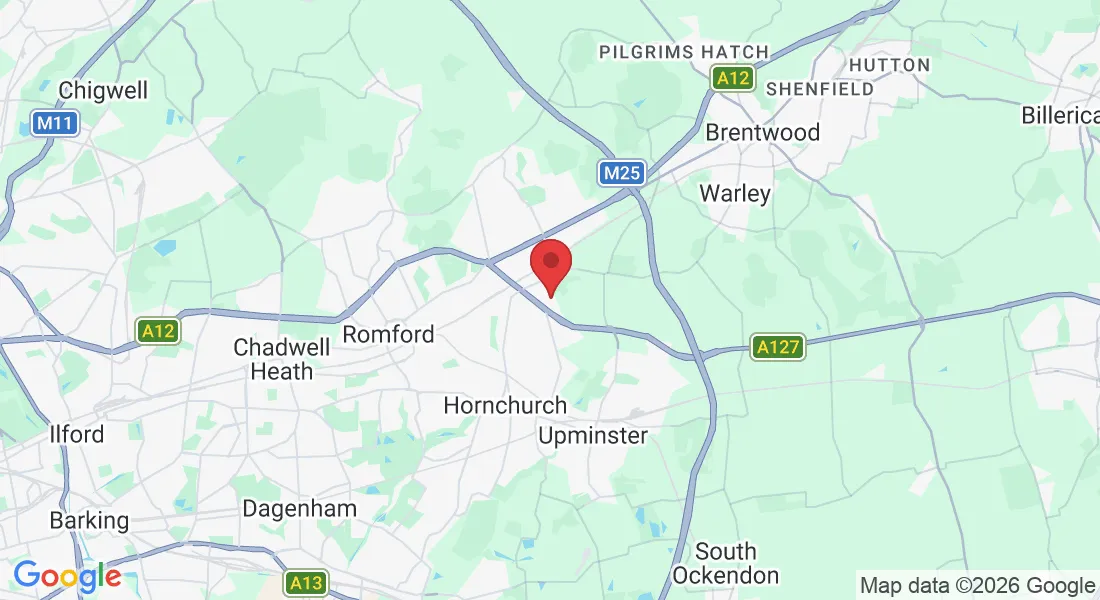
Physio Rehabilitation provides home and care home assessments across Romford, Harold Wood and Essex. Its HCPC-registered neuro-physiotherapist brings 15 years of NHS experience, with therapy tailored to the person and reviewed as their needs change.
What does it cost?
The source material does not give a price for an assessment or therapy. Ask Physio Rehabilitation about the cost when discussing a home or care home assessment.
What are the risks?
The main risk in judging progress from a single label is overlooking what has changed, or what still needs assessment. Calling progress a plateau because walking is difficult may miss changes in transfers, balance or the help needed for daily tasks.
There is also a risk in treating one person’s recovery story as a forecast for someone else. An assessment and repeated review can inform the next practical goal; they cannot promise a particular outcome.
Key Takeaways
Start with current ability. Ask what the person can do today rather than relying only on an earlier prediction.
Choose a practical goal. Focus on a task such as standing from a chair, transferring safely or reaching the kitchen.
Measure change over time. Walking speed and balance measures can support a discussion about daily function.
Review a slower week. It is a reason to examine barriers and the plan, not to assume progress is over.
Implementation Checklist
Write down one daily task that currently needs help.
Ask what has been assessed and measured so far.
Discuss whether walking speed or balance measures are relevant.
Agree on the next practical goal and when it will be reviewed.
If progress seems to have stopped, ask what barriers need another look.
Common Mistakes to Avoid
Using difficulty with walking as the only definition of a plateau.
Overlooking changes in transfers and other daily tasks.
Treating one slower week as a final verdict.
Assuming someone else’s recovery story predicts your own.
If progress seems to have stopped, ask what has been measured and what the next practical goal should be. To discuss a home or care home assessment with Physio Rehabilitation, schedule a call with the link in the comments or bio.