Stroke Recovery Home Exercises UK: What Hip Replacement Rehab at Home Can Teach Families
Stroke Recovery Home Exercises UK: What Hip Replacement Rehab at Home Can Teach Families
Looking for stroke recovery home exercises UK families can trust? The source for this article is about hip replacement rehabilitation, so we stay with what Physio Rehabilitation actually said: recovery does not stop at the front door.
The same principle applies at home for any neurological or orthopaedic recovery. Follow your hospital team's plan first, then get support built around your own surroundings and routine.
TL;DR
- Your hospital team's plan comes first. Follow it.
- Once you are home, the questions get practical: chairs, stairs, daily routine.
- Physio Rehabilitation offers post-operative support at home, starting with an assessment.
- Care is HCPC registered and draws on 15 years of NHS experience.
- Progress can be reviewed with recognised measures, so you are not guessing.
What should I do at home once I leave hospital?
Follow the plan your hospital team gave you. Then ask for support that fits your own home, so you know how to move safely and what to work on each day.
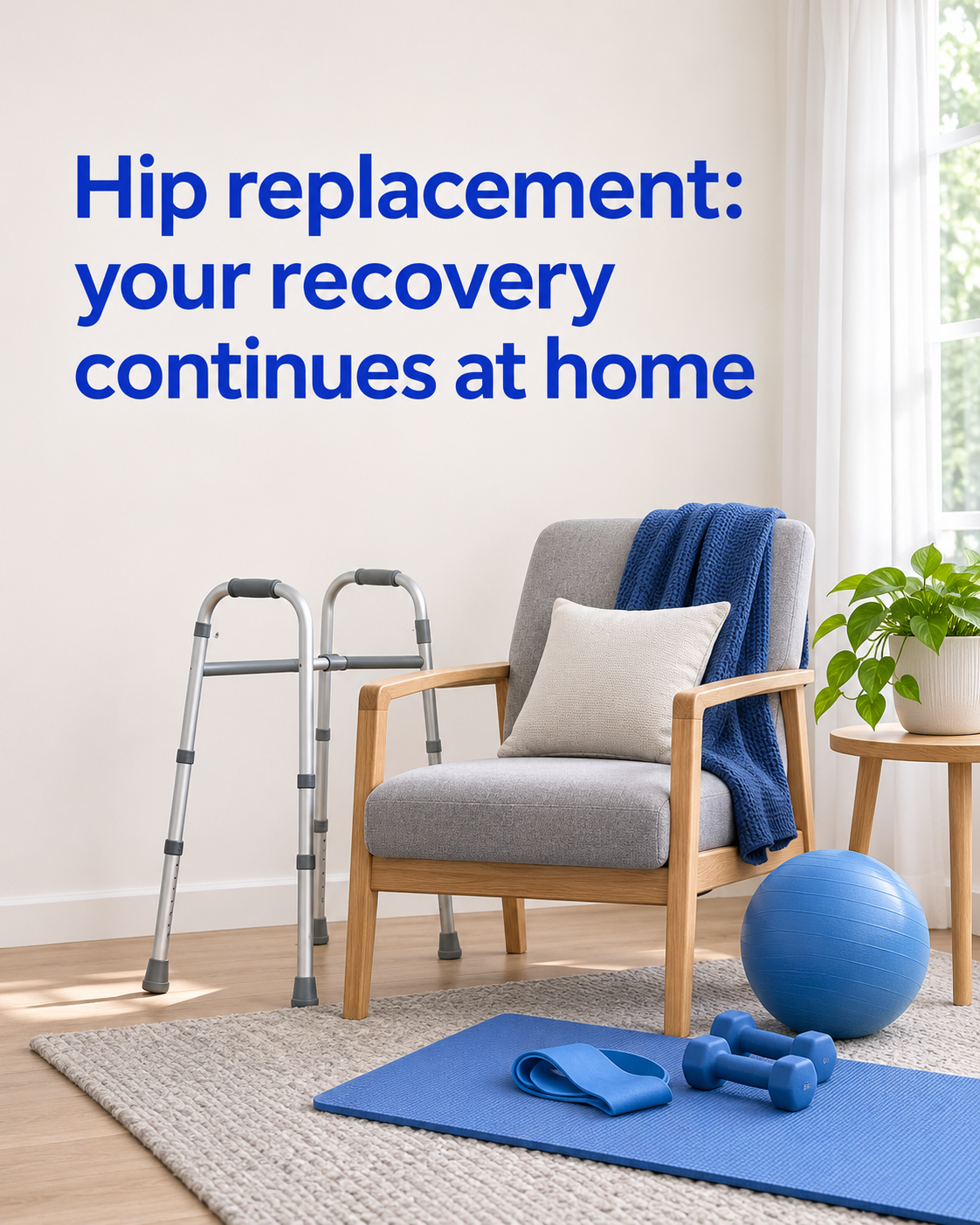
Leaving hospital with a new hip can feel like the plan stops at the front door. It does not have to.
Can I get out of my chair safely? How do I manage the stairs? What should I be doing each day?
These are the practical questions that tend to appear once you are home.
How does home physiotherapy work after a hip replacement?
It starts with an assessment at home. Yllka talks through three things with you.
- How you are moving now
- The daily activities that matter most to you
- Your recovery goals
That gives you a clear picture of where you are and what to work on next, in the place you actually live.
Why does home-based rehabilitation matter for stroke recovery exercises?
Because exercises make most sense when they are tied to the place and routine where you use them. The source describes support built around your own surroundings, rather than a generic programme.
For families of stroke survivors, the same thinking applies. Practice the things that matter in daily life, such as transfers, walking and stairs, with a registered professional guiding you.
Please note that the source covers hip replacement only. It does not give specific stroke exercises, so speak to a clinician before starting any.
How can I tell if my rehabilitation is working?
Progress can be reviewed with recognised measures, so you can see what is changing rather than guessing. Clinical guidelines recommend standardised tools such as the 10-Meter Walk Test and the Berg Balance Scale for tracking progress in neurological care.
Everyone recovers at their own pace. The plan is built around you, with your hospital team's advice at the centre.
Who provides the support?
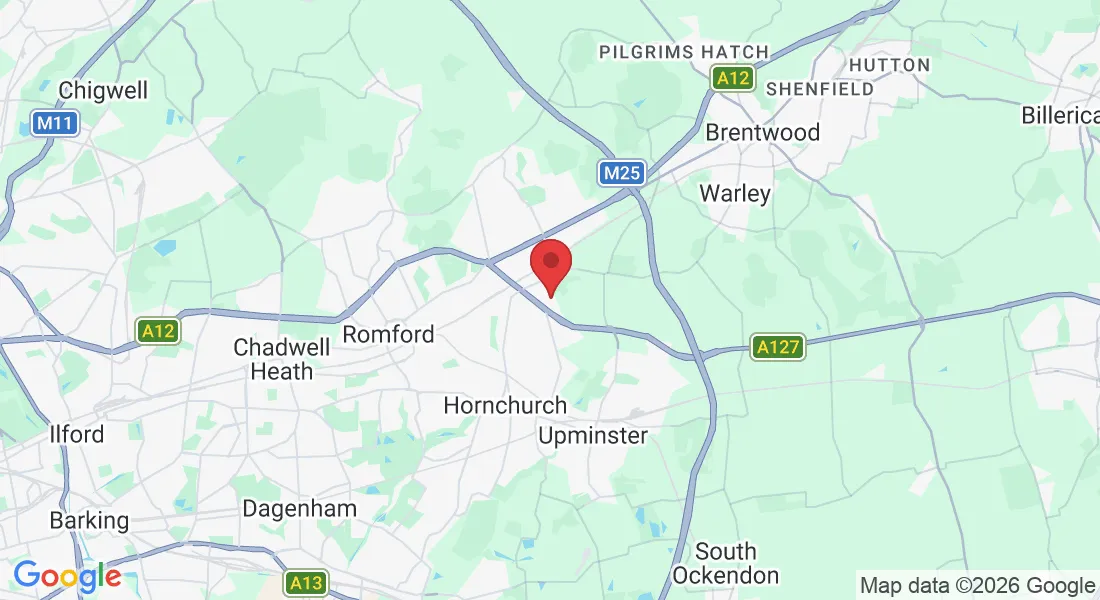
Support comes from Physio Rehabilitation, led by Yllka. The approach is professional and HCPC registered, drawing on 15 years of NHS experience, serving Essex and the surrounding areas.
Key Takeaways
- The hospital plan always comes first.
- Home is where the practical questions appear.
- An assessment sets a clear starting point.
- Recognised measures show real change.
- Your pace and your goals shape the plan.
Implementation Checklist
- Keep your hospital team's plan somewhere easy to find.
- Write down your questions about chairs, stairs and daily tasks.
- List the activities that matter most to you.
- Note your recovery goals.
- Check your physiotherapist is HCPC registered.
- Ask which measures will be used to review progress.
Common Mistakes to Avoid
- Setting aside the hospital team's advice.
- Guessing at daily exercises without guidance.
- Comparing your pace with someone else's.
- Waiting until you feel stuck before asking questions.
Next step
Unsure what comes next? Contact Yllka to ask about rehabilitation at home.
Schedule a call with the link in the comments / bio.