
Is Your Neuro-Rehab Plan Specific Enough?
Neuro Rehab After Stroke or Parkinson’s: Is the Plan Specific Enough?
Families can lose weeks when treatment looks right on paper but focuses only on joints, pain or strength.
For someone living with stroke, Parkinson’s, brain injury, spinal injury, MS or severe mobility loss, the question is more specific: is the plan retraining movement affected by the nervous system?
TL;DR
Neurological rehabilitation should begin with a neuro assessment, not a standard set of exercises.
Practice should relate to movements the person needs in daily life.
Progression must account for fatigue, tone, balance and risk.
Details such as freezing at a doorway or fear of transfers can change the whole plan.
What Is This? (Short Answer)
Specialist neuro-physiotherapy is physiotherapy planned around how a neurological condition affects movement and daily function. It uses neuro assessment, task-specific practice and carefully judged progression.
Standard physiotherapy can help with muscle or joint problems. Neurological condition management also needs specialist reasoning, timing and handling when the nervous system affects how a person moves.
How does this work?
The physiotherapist first assesses the person’s neurological movement challenges, then chooses practice that relates to a real task.
Consider someone with Parkinson’s who freezes at a doorway. That detail belongs in the assessment because it affects what movement needs attention. A general strength exercise alone does not explain how the plan addresses the doorway.
The same principle applies to foot drop after stroke, poor sitting balance or fear of transfers. Each points to a different daily difficulty, so each needs to shape the plan.
Practice then progresses with attention to fatigue, tone, balance and risk. The aim is for the work to remain relevant to the person’s mobility, rather than becoming exercise for its own sake.

Who is this for?
This approach is for people whose movement is affected by stroke, Parkinson’s, brain injury, spinal injury, MS or severe mobility loss.
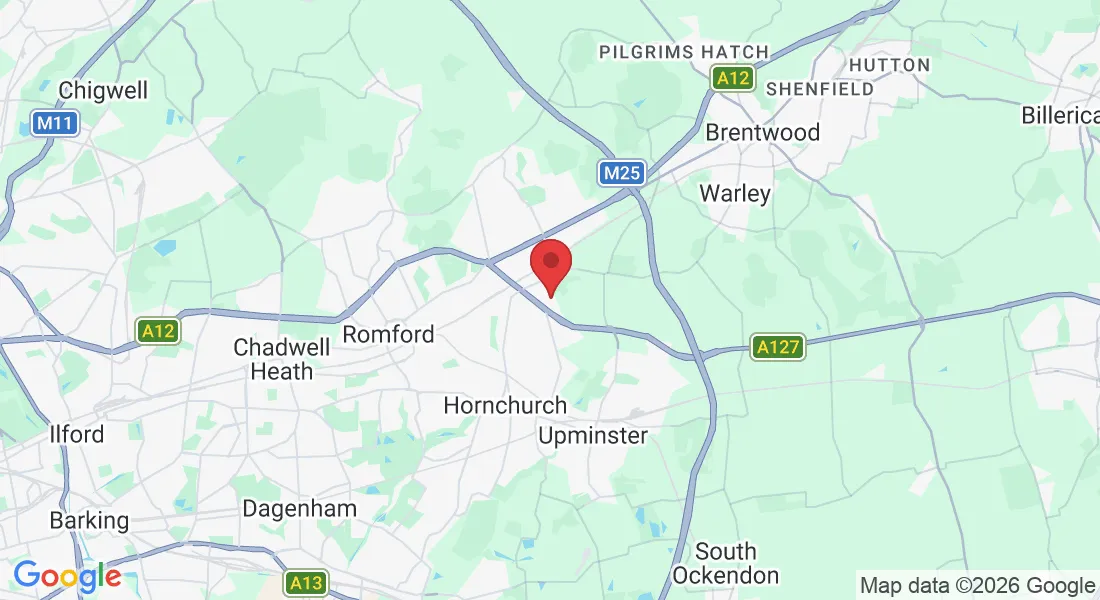
It is also relevant when leaving home is difficult. Physio Rehabilitation offers home visits for housebound or bedbound patients in the UK area it serves, as well as care home physiotherapy assessments when travel is too much.
What does it cost?
The source material does not give a price for an assessment, home visit or treatment plan.
If you are considering Physio Rehabilitation, ask what the proposed service includes and what it costs when you schedule a call.
What are the risks?
The concern raised here is losing time on a plan that carries a neuro label but does not address the person’s neurological movement needs.
Fatigue, tone, balance and risk also matter when deciding how to progress practice. Ask how these factors have been assessed for the person receiving treatment.
Key Takeaways
Ask about the assessment. What neurological findings are guiding the plan?
Look for a daily task. Which movement is the person practising, and why does it matter to them?
Check the progression. How will the plan respond to fatigue, tone, balance and risk?
Share the small details. Freezing, foot drop, sitting balance and transfer fears are central to planning.
Implementation Checklist
List the movements that are difficult at home or in the care home.
Describe exactly when the difficulty occurs, such as freezing at a doorway.
Ask for a neuro assessment before agreeing to an exercise plan.
Ask which daily task each part of the plan is intended to address.
Discuss fatigue, tone, balance and risk before increasing difficulty.
If travel is too much, ask whether a home visit or care home assessment is available in your area.
Common Mistakes to Avoid
Assuming a programme is neuro-specific because it uses a neurological label.
Treating foot drop, freezing or fear of transfers as minor side notes.
Choosing exercises before understanding the person’s movement needs.
Progressing practice without considering fatigue, tone, balance and risk.
Physio Rehabilitation brings HCPC registered, NHS experienced physiotherapist knowledge to specialist neuro-physiotherapy and home visits. If you are searching for stroke recovery home exercises in the UK, start by asking whether the plan is neuro-specific.
Schedule a call with the link in the comments / bio.