
Neuro Physio at Home After Hospital Discharge
Neuro-Physiotherapy After Hospital Discharge: Making Recovery Work at Home
Hospital discharge is a handover point, but the armchair, narrow hallway and step to the garden are still there when you get home.
After a stroke, brain injury, spinal injury, MS or Parkinson’s, a useful question is: what needs to improve first so home feels safer?
TL;DR
Set a recovery goal you can see in daily life, such as reaching the kitchen or transferring with less help.
Connect standing, walking, balance, strength and fatigue management to that goal.
A home visit can reveal barriers that are easy to miss elsewhere.
Review progress through both day-to-day tasks and measures such as the 10-Meter Walk Test and Berg Balance Scale.
What Is This? (Short Answer)
Specialised neuro-physiotherapy is rehabilitation planned around a neurological condition and the movements a person needs in daily life.
At Physio Rehabilitation, that means considering the person’s home and the support around them, then setting practical goals that can be reviewed as recovery changes.

How does neuro-physiotherapy at home work?
It starts with a task that matters to the person, then connects clinical practice to that task.
For example, someone may want to get from their armchair to the kitchen. The plan can focus on the standing, walking, balance, strength and fatigue challenges involved in that journey.
A home visit also shows where the task happens. Chair height, narrow spaces, stairs and moments when confidence drops can all shape the goal and the practice needed to work towards it.
Who is this for?
This approach is for people whose mobility at home has been affected by stroke, brain injury, spinal injury, MS or Parkinson’s.

It may also be relevant when someone is housebound or bedbound. In those cases, care begins where the challenge is happening, including at home or in a care home.
How is progress measured?
Progress should be visible in daily life as well as in clinical measures.
The 10-Meter Walk Test and Berg Balance Scale can help track change. The equally practical question is whether a person can manage a meaningful task, such as turning without freezing, taking one step to the garden or transferring with less help.
Goals need reviewing. A task that matters at the start of recovery may change as the person’s abilities and needs change.
What does it cost?
The video does not give a price for neuro-physiotherapy or home visits.
If cost is part of your decision, ask about it when arranging a conversation. That is also the time to explain the person’s condition, location and whether support is needed at home or in a care home.
What are the risks?
The main risk discussed here is planning rehabilitation without seeing the daily task and the barriers around it.
A broad aim such as “walk better” can miss the chair that is difficult to stand from, the narrow space that makes turning harder or the point where confidence drops. Likewise, a hopeful feeling alone does not show clearly what has changed.
Key Takeaways
Start with daily life. Choose a task the person wants to do, such as reaching the kitchen or transferring with less help.
Look at the setting. Home visits allow the plan to account for chair height, space and stairs.
Connect practice to purpose. Standing, walking, balance, strength and fatigue management should serve the chosen task.
Check change over time. Review practical ability alongside appropriate clinical measures, then adjust the plan.
Implementation Checklist
☐ Name one daily task that would make home feel safer.
☐ Identify where it happens and what makes it difficult.
☐ Describe the help the person currently needs.
☐ Ask how the rehabilitation plan will support that task.
☐ Agree how progress will be reviewed in daily life and through clinical measures.
Common Mistakes to Avoid
Setting a vague goal without naming the task behind it.
Practising movements without connecting them to life at home.
Overlooking chair height, narrow spaces or stairs.
Relying only on how progress feels, without reviewing what the person can do.
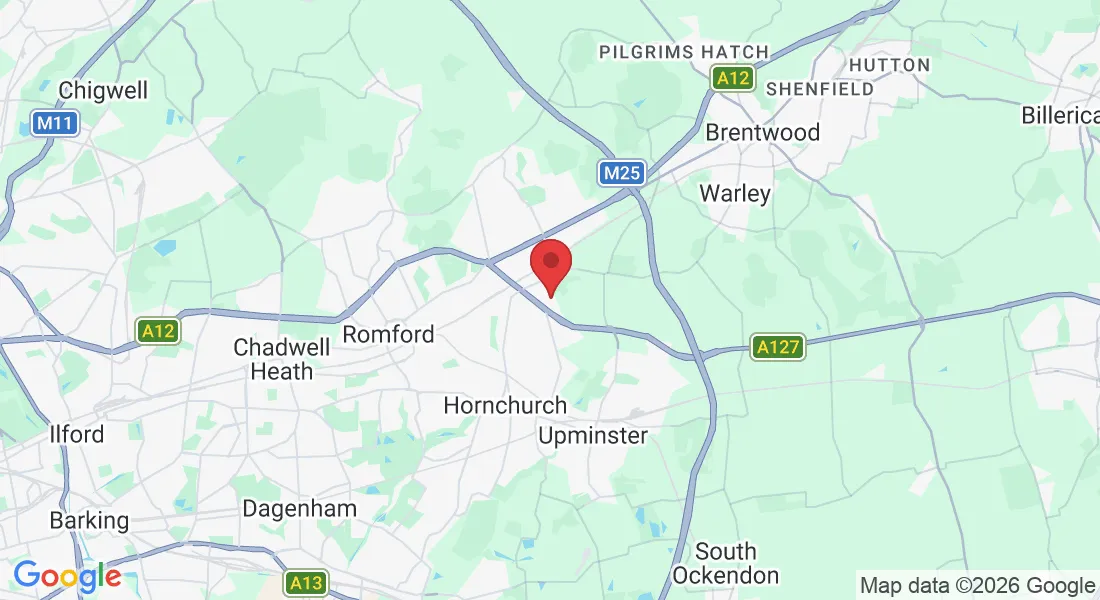
Physio Rehabilitation brings 15 years of NHS experience to practical neuro-physiotherapy goals for people in Essex and care homes. Schedule a call with the link in the comments / bio.