After Hospital Discharge: When Home Still Feels Unsafe
Hospital Discharge After Stroke or Neurological Injury: What Happens When Home Still Feels Unsafe?
Being ready to leave hospital does not mean every movement at home feels safe. Standing from a chair, turning, using the stairs or walking to the kitchen may still need close attention.
That is the rehab gap: the clinical programme has ended, but everyday life still calls for support. The next step is to look at the movements that matter in the person’s own home and work from there.
TL;DR
Hospital discharge can come before everyday movement feels safe.
Neuro-physio at home focuses on relevant walking routes, transfers and daily tasks.
A printed exercise sheet may help, but it cannot respond to a change in fatigue or movement on the day.
The aim is to find a realistic next step, practise it properly and build from there.
What Is This? (Short Answer)
Home neuro-physio is assessment and treatment for neurological movement difficulties in the place where a person lives. It can focus on tasks such as getting up from a chair, turning, transferring, using stairs and walking around the home.

After discharge, those tasks can feel different from exercises practised in a clinical setting. Seeing the home environment helps the physiotherapist tailor support to the person and the movements they need each day.
How does this work?
The physiotherapist assesses what is happening at home, identifies a realistic next step and practises it with the person. The plan can respond to the layout of the home and to how the person is moving that day.
Consider the walk from a chair to the kitchen. Standing up, turning and following that particular route may each need attention; the visit allows those movements to be considered where they happen.
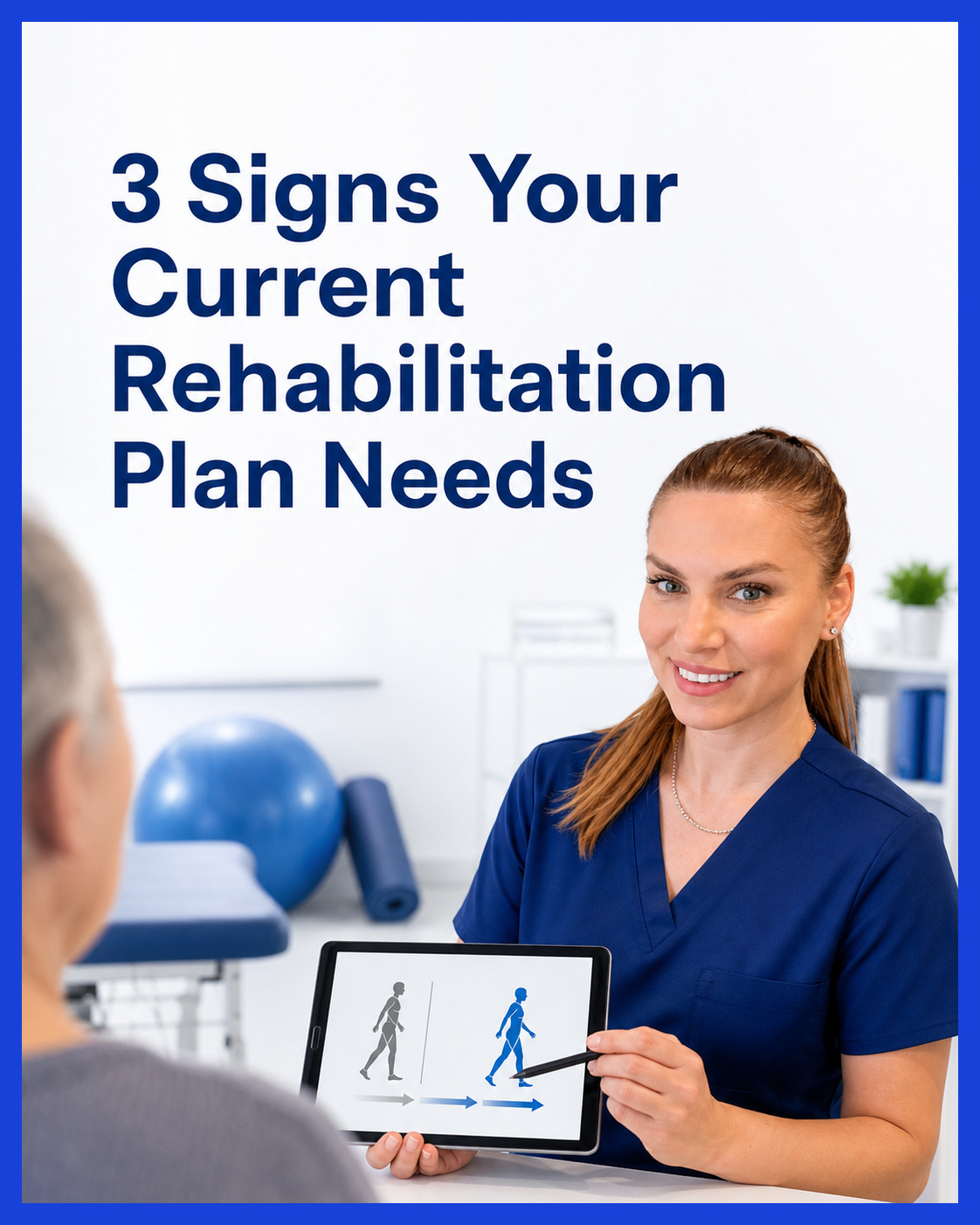
A printed exercise sheet may still be useful. It cannot, however, see what happens at a bathroom doorway or notice when fatigue changes how someone moves.
Who is this for?
This support may be relevant after stroke, brain injury or spinal injury, and for people living with MS or Parkinson’s. It may also be relevant when someone is housebound or lives in a care home.
The shared question is practical: which everyday movements still need attention after the clinical programme ends? The answer will depend on the person in front of the physiotherapist, rather than a fixed recovery timetable.

What does it cost?
The video does not state a price for home neuro-physio. Ask about the cost and what support is appropriate when you make an enquiry.
What are the risks?
The main concern raised here is assuming that discharge means everyday movement no longer needs attention. A person may be ready to leave hospital while transfers, stairs or a short walk at home still feel uncertain.
There is also a risk in treating an exercise sheet as a complete picture of what happens at home. The goal of tailored support is to pay attention to the person’s current movement, fatigue and surroundings without rushing recovery or promising an outcome.
Key Takeaways
Start with daily life. Notice which movements still need close attention, such as standing, turning or reaching the kitchen.
Make practice relevant. Home visits allow work on the routes, transfers and tasks the person actually uses.
Allow for change. Movement and fatigue may differ from one day to another, so the next step should fit the person on that day.
Build steadily. Identify a realistic step, practise it properly and build from there without a promise about the pace of recovery.
Implementation Checklist
Write down the everyday movements that feel difficult or uncertain after discharge.
Include specific places, such as a bathroom doorway, staircase or route to the kitchen.
Note when fatigue appears to change how the person moves.
Ask whether an assessment at home or in the care home is appropriate.
Discuss which realistic task to focus on first with the physiotherapist.
Common Mistakes to Avoid
Assuming that being ready for discharge means every task at home is comfortable or safe.
Relying on a printed sheet to account for the layout of the home or changes in fatigue.
Trying to rush progress instead of practising a realistic next step properly.
Overlooking short, familiar routes that still cause difficulty.
Physio Rehabilitation provides specialised, HCPC-registered neuro-physio at home and in care homes, including for people who are housebound. Its experience includes 15 years in the NHS.
If discharge has left you unsure what comes next, schedule a call with the link in the comments or bio to ask about appropriate support.