Choosing a Neuro Physiotherapist After Stroke
Choosing a Neuro Physiotherapist After Stroke: Check the HCPC Register First
When someone is recovering from a stroke, the wrong choice of therapist can cost precious time and confidence at home.
A polished website or a recommendation from someone you trust may help you find a name. Neither confirms that the clinician is currently registered to practise as a physiotherapist. That takes a separate check.
TL;DR
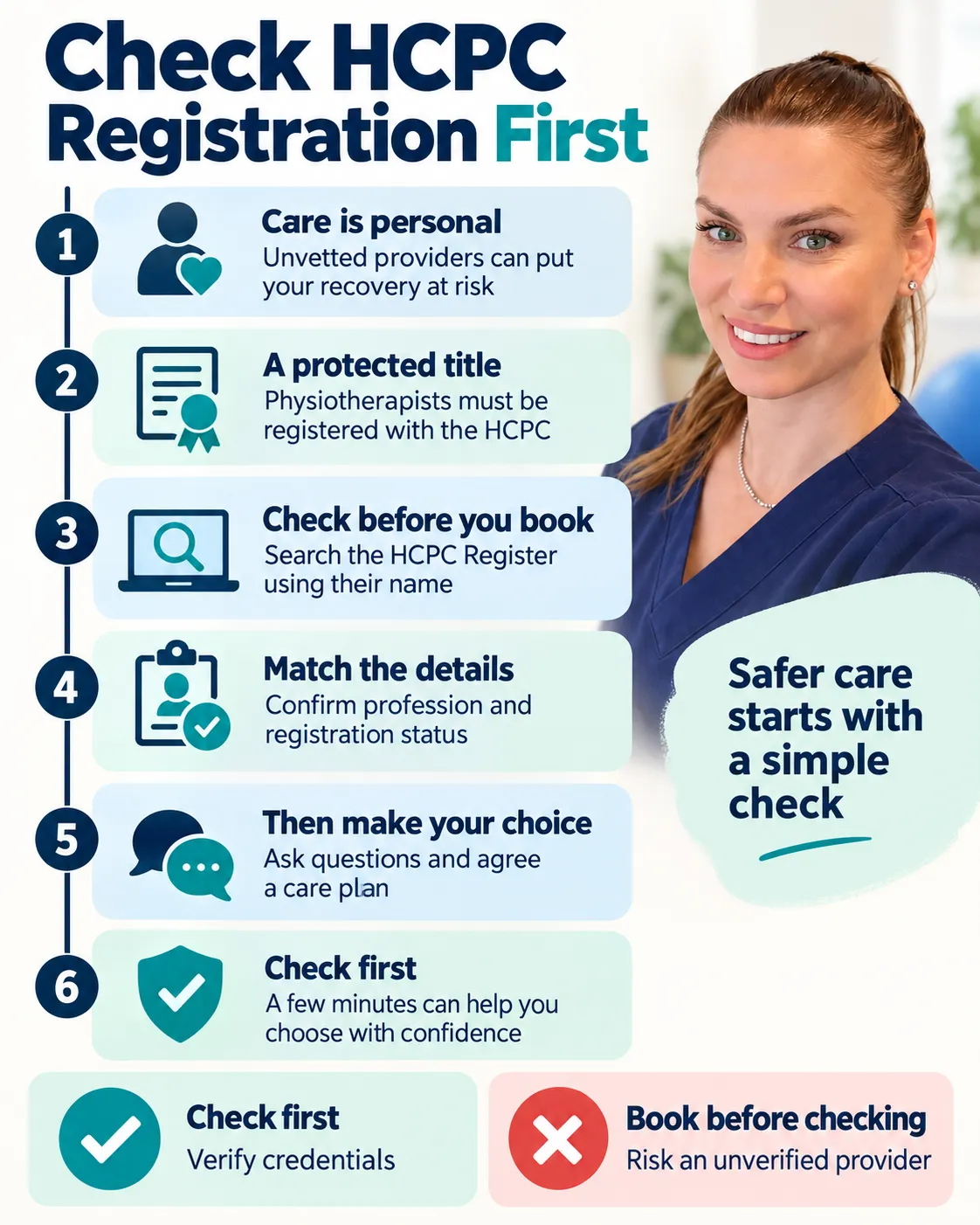
Check the clinician on the public Health and Care Professions Council (HCPC) register before arranging care.
Search by surname or registration number. Confirm that the profession is physiotherapist and the status is registered.
Then ask about experience with your condition, assessment of walking and balance, and how progress will be measured.
These questions matter when arranging neuro physiotherapy after stroke or for complex needs at home.
Your browser does not support the video tag.
What Is This? (Short Answer)
Checking a neuro physiotherapist means verifying their current HCPC registration, then asking whether their experience and approach fit the person who needs care.
Registration is the starting point. It tells you whether the person is currently registered to practise as a physiotherapist. The next conversation helps you understand how they would assess and support someone with your particular needs.
How does this work?
Start with the HCPC public register. Search using the clinician’s surname or registration number, then check both the profession shown and their current status.
The profession should say physiotherapist, and the status should say registered. Once you have confirmed those details, ask the clinician about their experience with the condition you are arranging care for.
Then ask how they assess walking and balance, and what they will measure over time. These questions give you a clearer basis for discussing care than a website alone.
For example, a family arranging home visits after a stroke can check the clinician’s registration first. On the call, they can ask how walking and balance would be assessed and how they would know whether progress is being made.
Who is this for?
This check is for anyone choosing a physiotherapist, especially families arranging neuro physiotherapy when care is complex.
The video highlights stroke, brain or spinal injuries, MS and Parkinson’s. It also speaks to people who cannot safely leave home for an appointment, and to those arranging care in a care home.
For these families, the practical aim may be safer transfers, steadier steps and greater independence. Ask how the clinician’s assessment and planned care relate to the tasks that matter in the person’s daily life.
What does it cost?
The video does not give a price for treatment or home visits. Physio Rehabilitation offers a call about a free assessment.
If you are considering care, use that conversation to ask what the assessment involves and to discuss your needs. Check the HCPC register before you arrange the call.
What are the risks?
The immediate risk is choosing a therapist without confirming that they are currently registered to practise as a physiotherapist.
During stroke recovery, a poor choice can cost time and confidence at home. Registration alone also does not answer every question about fit, so ask about relevant experience, walking and balance assessment, and how progress will be measured.
Key Takeaways
Verify current registration. Use the HCPC public register and check the profession and status shown.
Ask about relevant experience. Name the condition and describe the person’s care needs.
Discuss assessment. Ask how the clinician assesses walking and balance.
Agree what progress means. Ask what will be measured over time, with attention to daily tasks such as transfers and walking.
Implementation Checklist
☐ Get the clinician’s surname or HCPC registration number.
☐ Search for them on the HCPC public register.
☐ Confirm that the profession shown is physiotherapist.
☐ Confirm that their status is registered.
☐ Ask about experience with the person’s condition.
☐ Ask how walking, balance and progress will be assessed.
Common Mistakes to Avoid
Relying on an impressive website as proof of current registration.
Assuming a familiar recommendation replaces a register check.
Stopping at registration without asking about relevant neuro physiotherapy experience.
Leaving progress undefined when arranging ongoing care.
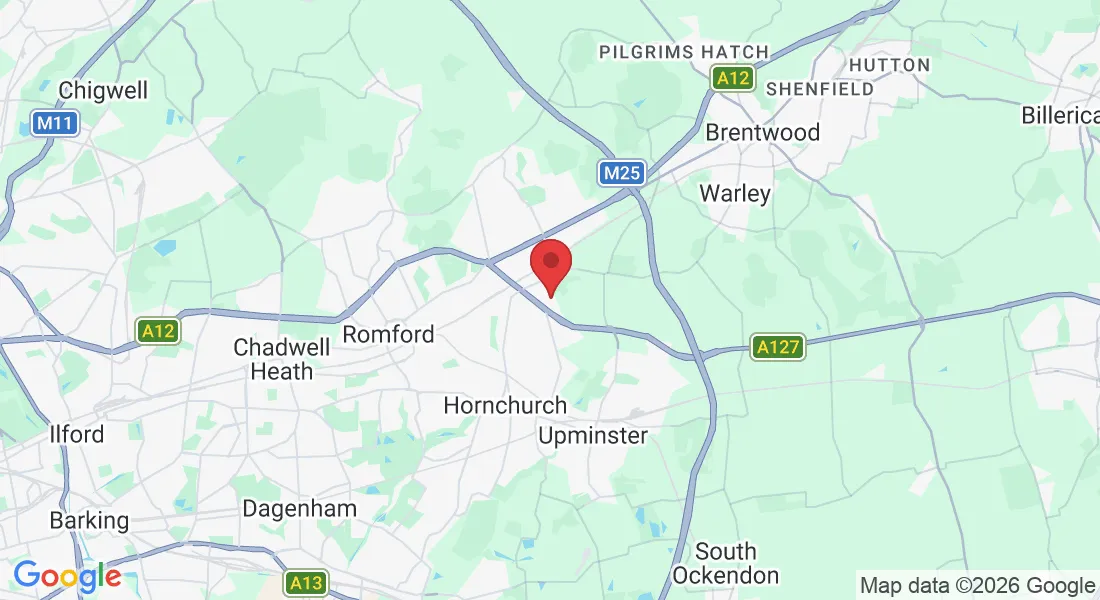
Arranging Neuro Physiotherapy in Essex or Romford?
Physio Rehabilitation provides neuro physiotherapy home visits and care home work, drawing on 15 years of NHS experience. The focus is safer transfers, steadier steps and more independence.
Start with the public register. Then schedule a call with the link in the comments or bio to discuss a free assessment.