Brain Injury Rehab at Home: Why Standard Physio Can Leave Stroke, MS and Parkinson's Patients Stuck
Brain Injury Rehab at Home: Why Standard Physio Can Leave Stroke, MS and Parkinson's Patients Stuck
The exercises are done and the sessions are attended, yet getting out of the chair still feels unsafe. For brain injury rehab at home, Yllka of Physio Rehabilitation starts with a different question.
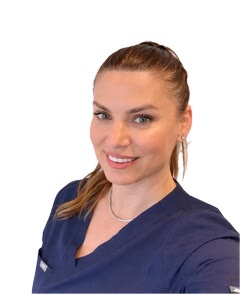
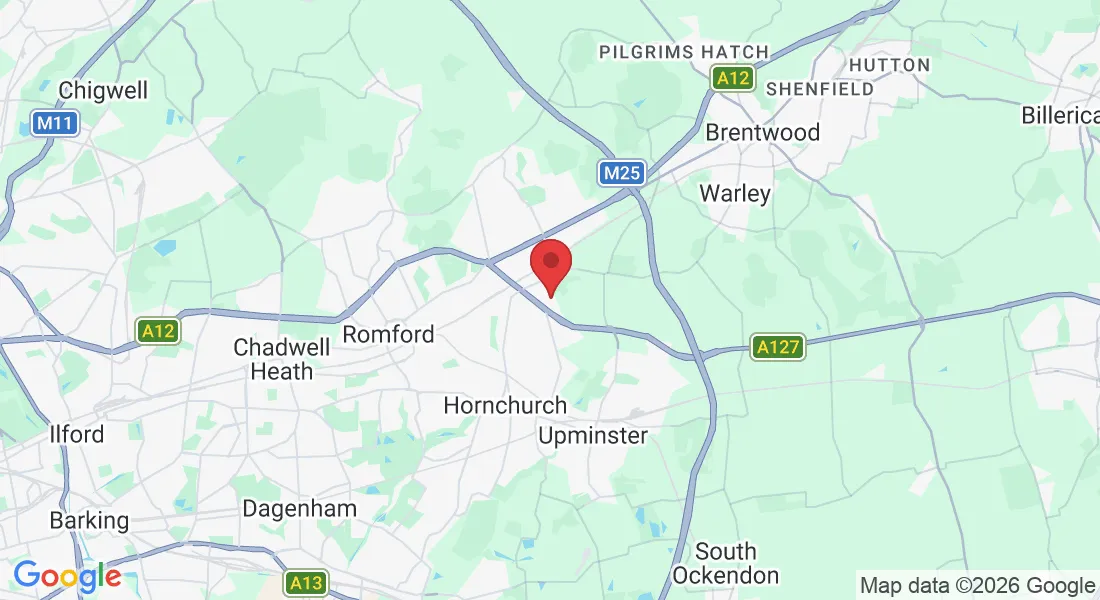
Yllka is an HCPC registered neuro physiotherapist with 15 years of NHS experience. Physio Rehabilitation provides neurological physiotherapy at home and in care homes in Essex.
TL;DR
- Standard physio is built for joints, muscles and tendons.
- Stroke, Parkinson's and MS change how the brain tells the body to move.
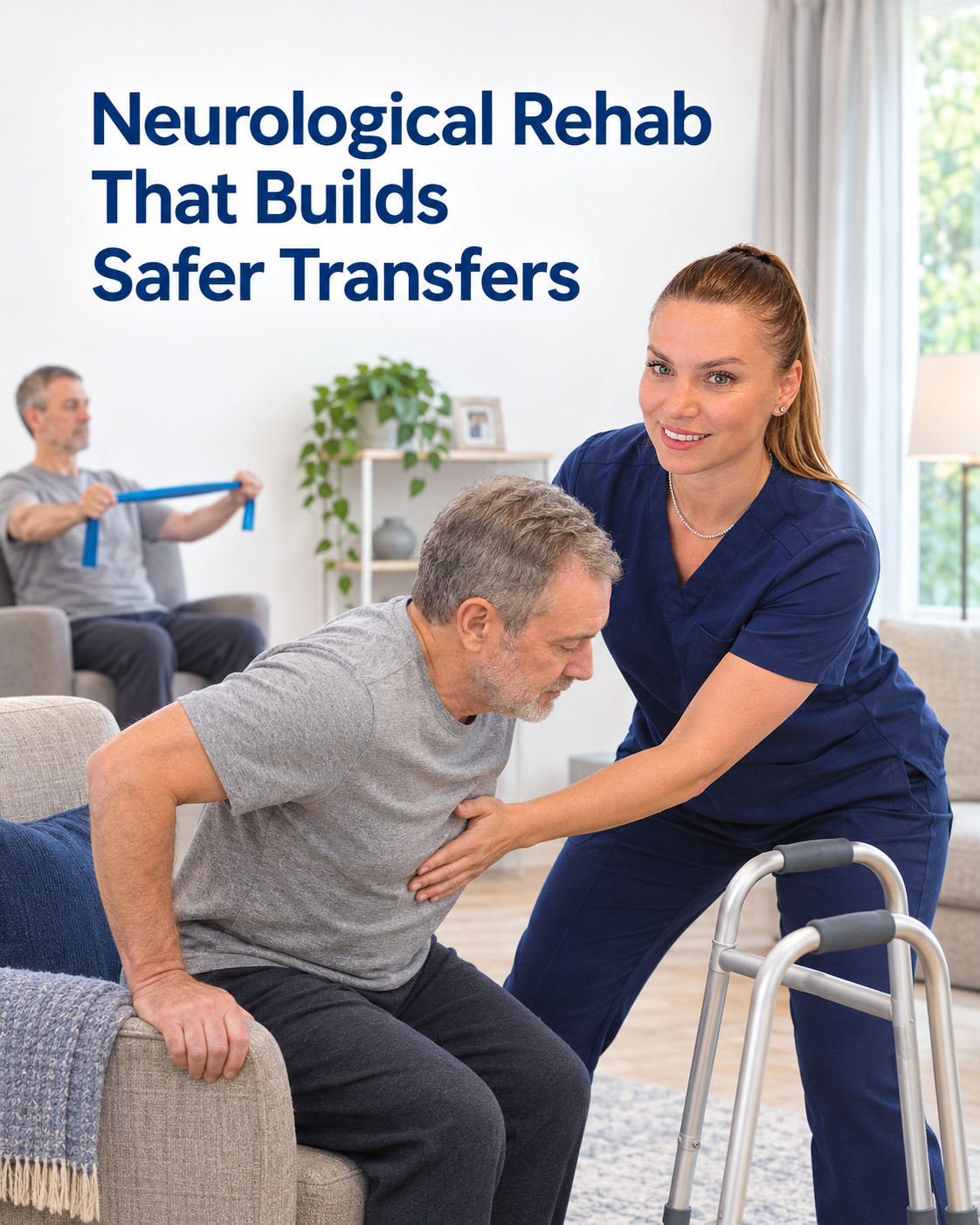
- Neurological rehab works on transfers, balance, turning and stepping where you use them.
- Progress is measured with the 10-Meter Walk Test and the Berg Balance Scale.
- Physio Rehabilitation offers a free assessment for stroke rehabilitation physiotherapy at home in Essex.
Why does standard physio so often fall short after a stroke, Parkinson's or MS?
Standard physio is built for joints, muscles and tendons. A stroke, Parkinson's or MS changes something different: how the brain tells the body to move.
That gap is where many families feel stuck.
"Neurological rehab starts from another question. Why is the movement not happening, and how do we retrain it?" Yllka, Physio Rehabilitation
Key Takeaways
- Neurological conditions need a different starting question from muscle and joint problems.
- Practice works best in the real setting: bedroom, hallway, stairs and armchair.
- Progress should be measured, not guessed.
- Families should know what is being worked on, why it matters and how progress is reviewed.
- Experience and registration matter: 15 years in the NHS and HCPC registration.
What is neuro physiotherapy, and how is it different?
Neuro physiotherapy at Physio Rehabilitation focuses on retraining the movement itself, not only treating the tissue. It asks why the movement is not happening.
That means working on transfers, balance, turning and stepping.
Why does brain injury rehab at home make a difference?
Brain injury rehab at home lets Yllka train movement in the place people actually use it. For many people, that is the bedroom, the hallway, the stairs and the armchair.
Mini-example: getting out of the chair still feels unsafe despite completed exercises. Working on that transfer in your own armchair addresses the real problem.
How is progress measured in neurological rehabilitation?
Physio Rehabilitation tracks change with the 10-Meter Walk Test and the Berg Balance Scale. Clinical guidelines recommend both for monitoring progress over time.
You will know what we are working on, why it matters and how progress will be reviewed.
Who provides stroke rehabilitation physiotherapy at home in Essex?
Yllka at Physio Rehabilitation provides it. She is HCPC registered, has 15 years of NHS experience, and visits people at home and in care homes.
A free assessment is a sensible place to start.
Implementation Checklist
- Note which movements feel unsafe: chair transfers, turning, stepping or stairs.
- Ask what the therapist is retraining and why.
- Ask which outcome measures will be used, such as the 10-Meter Walk Test and Berg Balance Scale.
- Check that your physiotherapist is HCPC registered.
- Request practice in the rooms you use daily.
- Book a free assessment.
Common Mistakes to Avoid
- Assuming more of the same exercises will fix a movement-control problem.
- Practising only in a clinic and never at home.
- Leaving progress to guesswork.
- Accepting a plan without knowing why it matters.
Next step
Physio Rehabilitation, led by Yllka, offers neurological physiotherapy at home and in care homes in Essex for stroke, Parkinson's and MS.
Schedule a call with the link in the comments / bio.